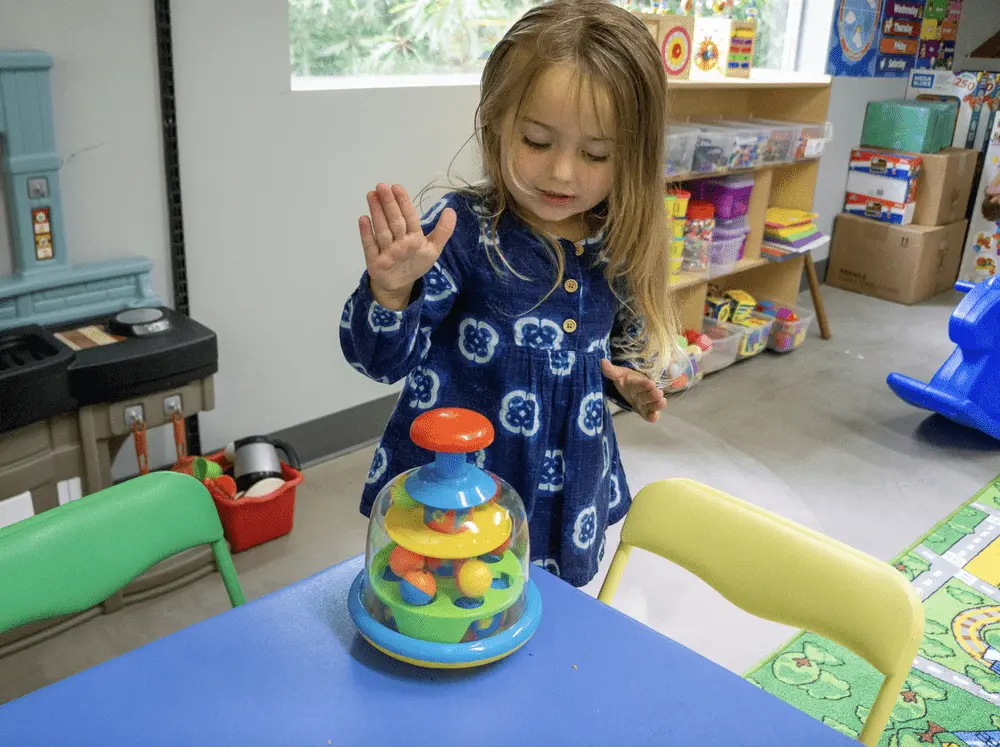
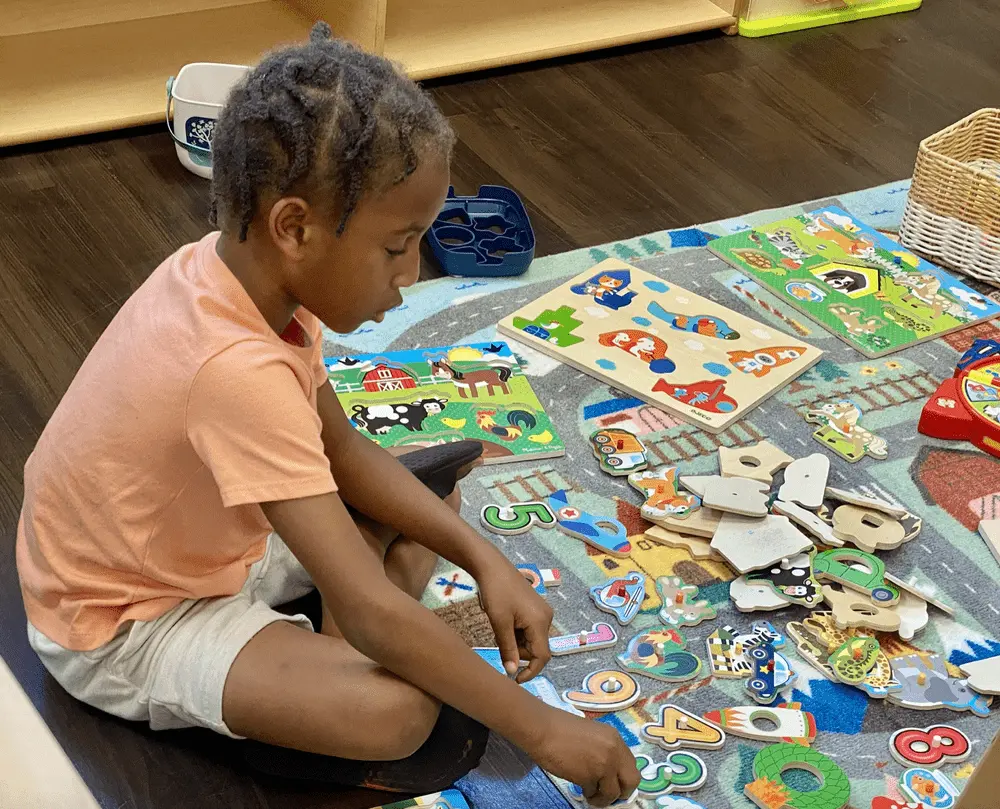
Homelessness profoundly affects children, impacting their health and development. Mary’s Place and its partners aim to reduce trauma and create stable pathways for families, addressing the generational cycles of homelessness. During a recent panel, experts highlighted that 90% of a child’s brain develops by age five, and experiencing homelessness during this time can lead to severe developmental delays and emotional distress. Children without stable housing are four times more likely to fall ill and face significant delays in language and social skills. Additionally, frequent relocations contribute to heightened anxiety and behavioral issues, making it challenging to build trust and security.
Education is also severely affected; nearly half of students experiencing homelessness have dropped out at least once. Many face barriers to consistent school attendance, leading to chronic absenteeism and lower academic performance. Programs like the federal McKinney-Vento initiative provide critical support for educational stability.
To mitigate trauma, Mary’s Place offers tailored programs for youth, including support in shelters and community resources. Their prevention efforts emphasize keeping families in their homes, highlighting that stability not only protects children’s development but also enhances their future educational and health outcomes.